


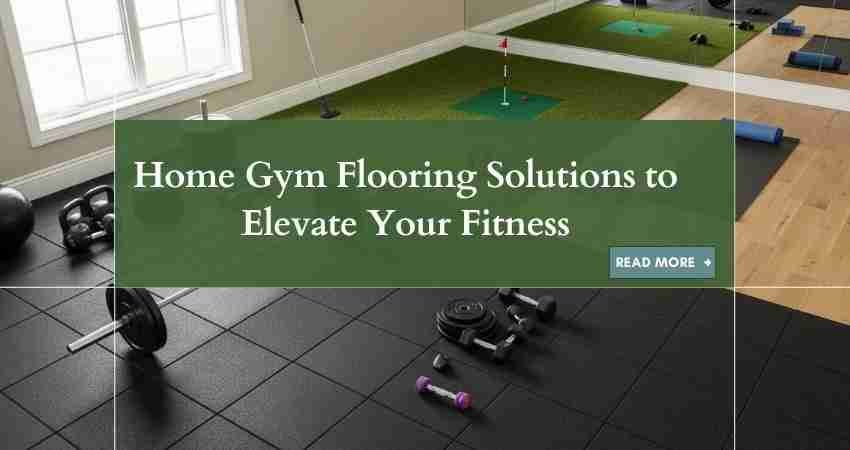
Building a home gym is one of the smartest investments you can make in your health. No more waiting for machines, no more monthly membership fees, no more driving across town just to get a workout in. But here’s what most people overlook when they’re busy picking out dumbbells and treadmills: the floor beneath it all.
Your gym flooring isn’t just a finishing touch. It’s the foundation literally of every rep, every sprint, every stretch you do. The right flooring protects your joints, shields your subfloor from damage, absorbs the shock of dropped weights, and gives you the grip you need to train safely. Skip this step, and you risk turning your dream setup into a source of injuries, noise complaints, and cracked tiles.
In this guide, we’ll walk through what to look for when choosing gym flooring, and break down the best options available so you can pick the one that actually fits how you train.
What to Think About Before You Buy
1. Kind of Workouts
Not all gym flooring performs the same way under different types of stress. A yoga session needs something completely different from a deadlift PR attempt. Before you buy anything, get honest about how you’ll actually use the space cardio, heavy lifting, HIIT, mobility work, or a mix of everything. This one decision shapes almost everything else.
2. Method of installation in space
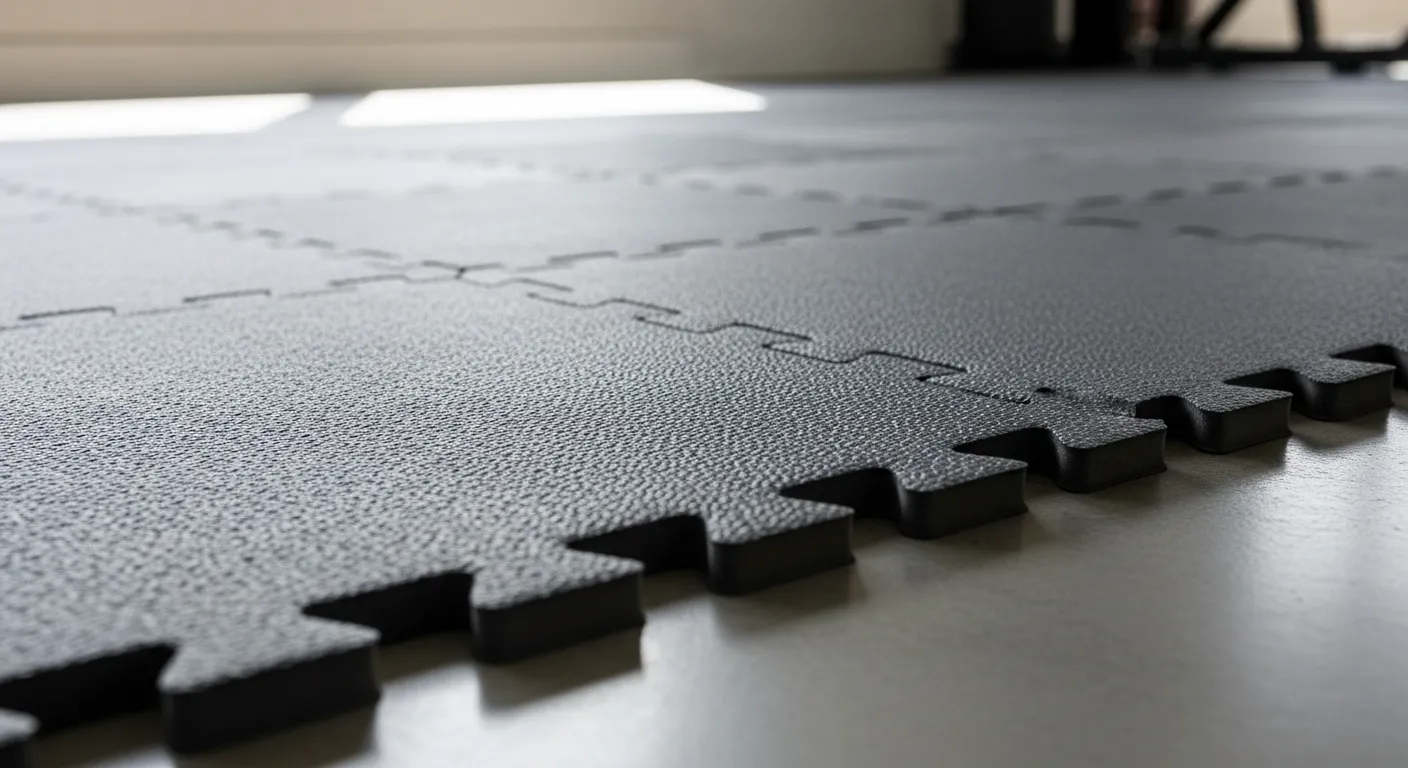
If you’re setting this up yourself, interlocking tiles are usually the easiest route. They fit together like puzzle pieces, cover ground quickly, and don’t require any special tools or professional help. Within an hour or two, you can have a full Rubber Flooring Dubai ready to train on.
3. Maintenance
Enclosed spaces and humid climates which describes most home gyms in the UAE are prone to mold and odor buildup if you choose the wrong material. Look for flooring that wipes clean easily and resists moisture, so you’re not stuck deep-cleaning every week.
4. Budget
Gym flooring comes in a wide price range, and more expensive doesn’t always mean better for your needs. Rubber and PVC tend to offer the best long-term value they’re durable enough that you won’t be replacing them every year, which makes them cheaper in the long run even if the upfront cost is slightly higher.
The Best Home Gym Flooring Options
1. Rubber Gym Mats and Rolls
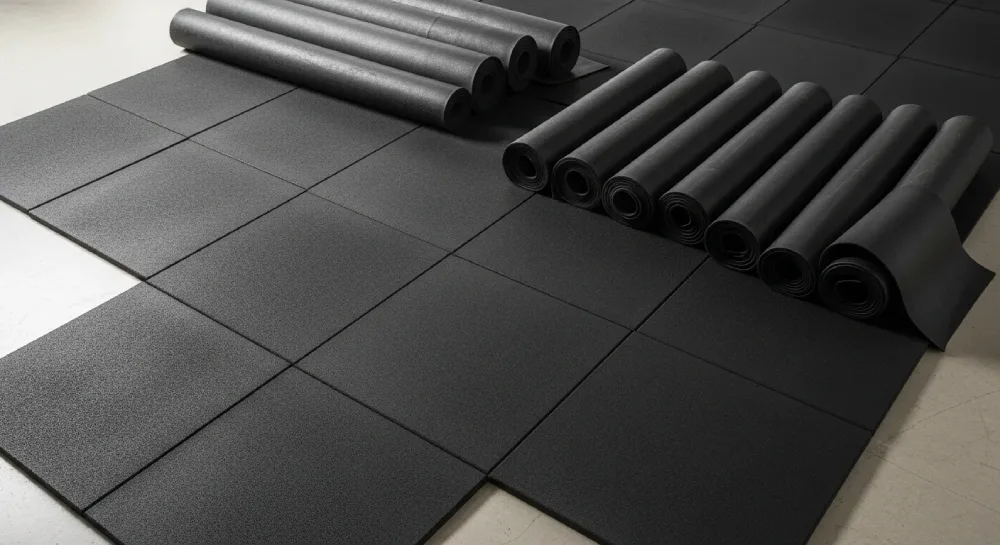
If your workouts involve heavy lifting, dropped weights, or high-intensity training, rubber is the gold standard and for good reason. It’s tough, shock-absorbent, and slip-resistant, which means it protects both your equipment and the floor underneath it. Rubber flooring can take a beating from barbells and kettle bells without cracking or denting, and it’s simple to wipe down after a sweaty session.
It comes in two main formats: interlocking tiles for quick DIY installs, or rolls for a seamless, gym-like finish across larger spaces. Either way, if your home gym flooring is built for serious training, rubber should be at the top of your list.
2. Foam Tiles
For lighter, low-impact workouts like yoga, pilates, or bodyweight training, foam tiles offer a soft, cushioned surface that’s genuinely comfortable underfoot. They’re budget-friendly, lightweight, and easy enough to install that you could have them down in minutes.
Foam is also a great choice if your gym doubles as a multi-purpose room, or if you’re renting and need flooring you can pick up and pack away without any hassle.
3. Vinyl Flooring
Vinyl brings a sleek, polished look to your space while still holding up to moderate-impact workouts like cardio, dance, or general fitness routines. It’s water-resistant, wipes clean in seconds, and doesn’t scream “gym” the way rubber or turf can which makes it a solid pick if your workout area shares space with the rest of your home.
If aesthetics matter to you as much as function, vinyl strikes a nice balance between the two.
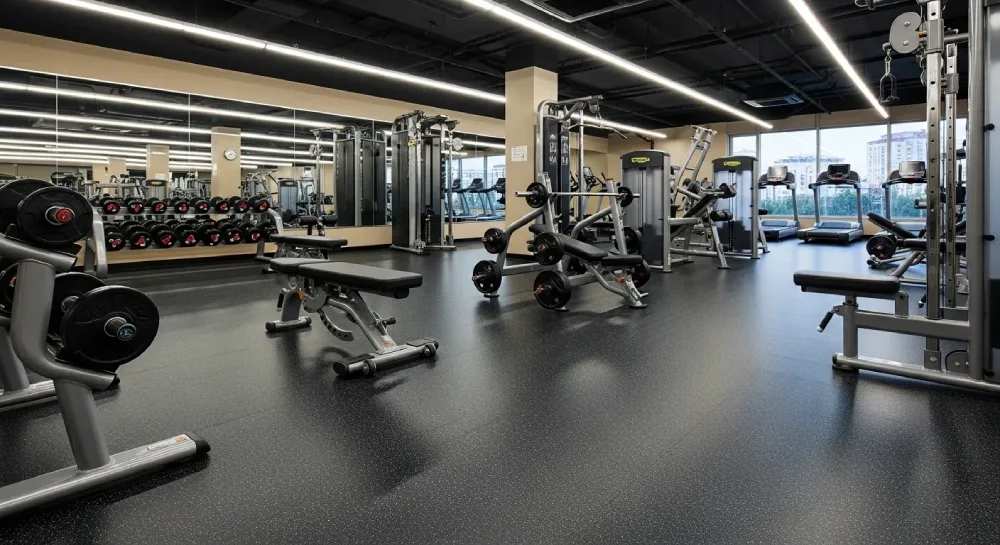
4. Turf Flooring
Turf isn’t just for outdoor fields anymore. It’s become a favorite for functional fitness training, sled pushes, and agility drills, giving you the traction and durability needed for dynamic, high-energy movements. It also adds a distinct, performance-driven look that instantly makes a space feel like a real training facility rather than a converted spare room.
If your workouts lean more athletic than traditional, turf is worth serious consideration.

5. PVC Tiles
Garages and basements come with their own set of challenges oil stains, uneven surfaces, and heavy equipment that needs a tough surface underneath it. PVC tiles are built for exactly this. They resist oil and grease, which matters if your machines need regular lubrication, and they hold up well in high-traffic, heavy-use areas.
For anyone converting a garage into a functional home gym flooring, PVC is one of the most practical choices available.

Making the Right Choice for Your Space
There’s no single “best” flooring for every home gym it depends entirely on how you train, how much space you’re working with, and how much upkeep you’re willing to commit to. A powerlifter’s ideal floor looks nothing like a yoga enthusiast’s, and that’s exactly the point. Match the material to your workout style, not the other way around.
Final Thoughts
The floor you choose does more than sit underneath your equipment. it shapes how safe, comfortable, and effective every workout feels. Whether you’re setting up a compact corner for quick sessions or building out a full-scale training room, the right flooring is one of those decisions that pays off every single day you use it.


